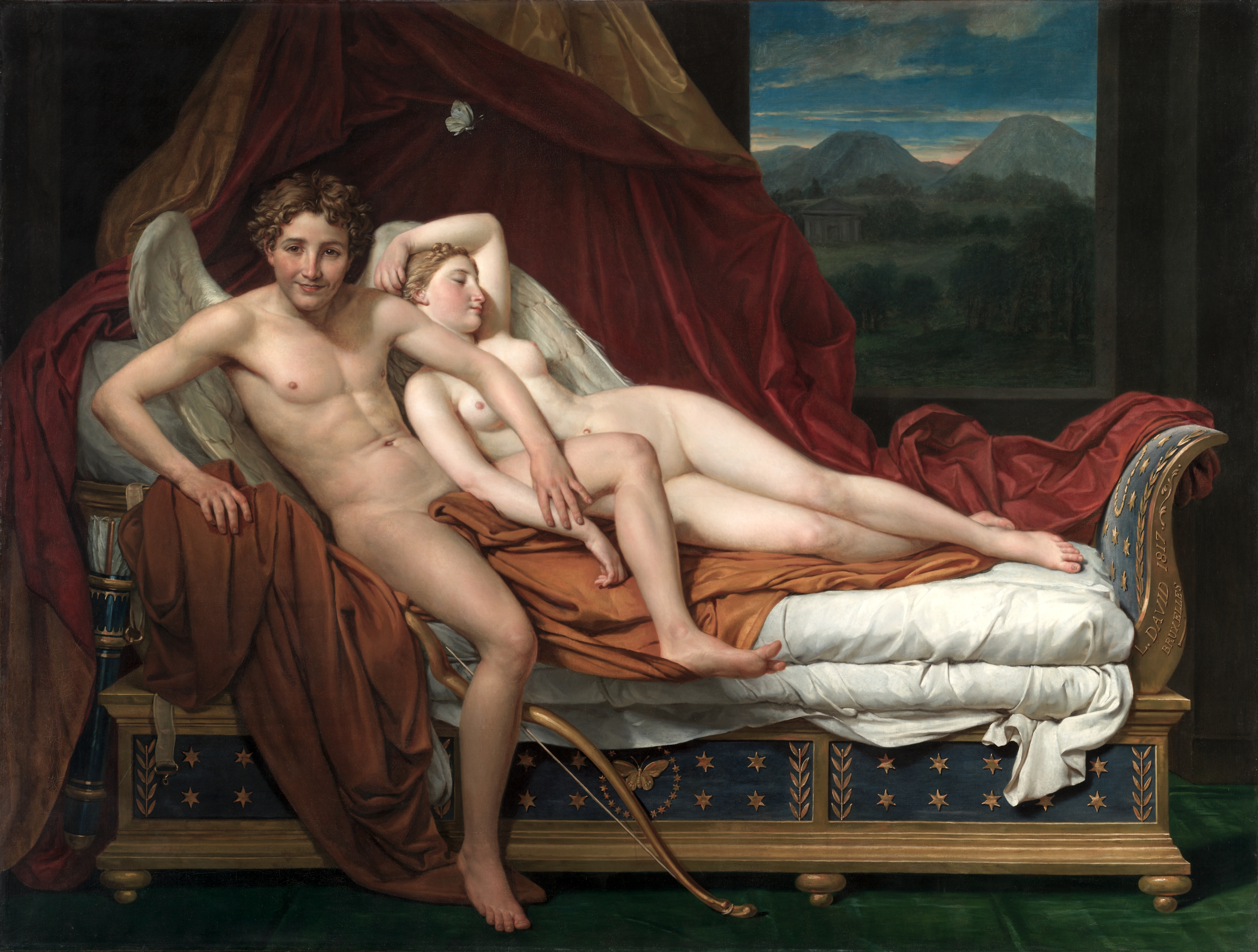
Click any image to enlarge. Use ← → or close with Esc.
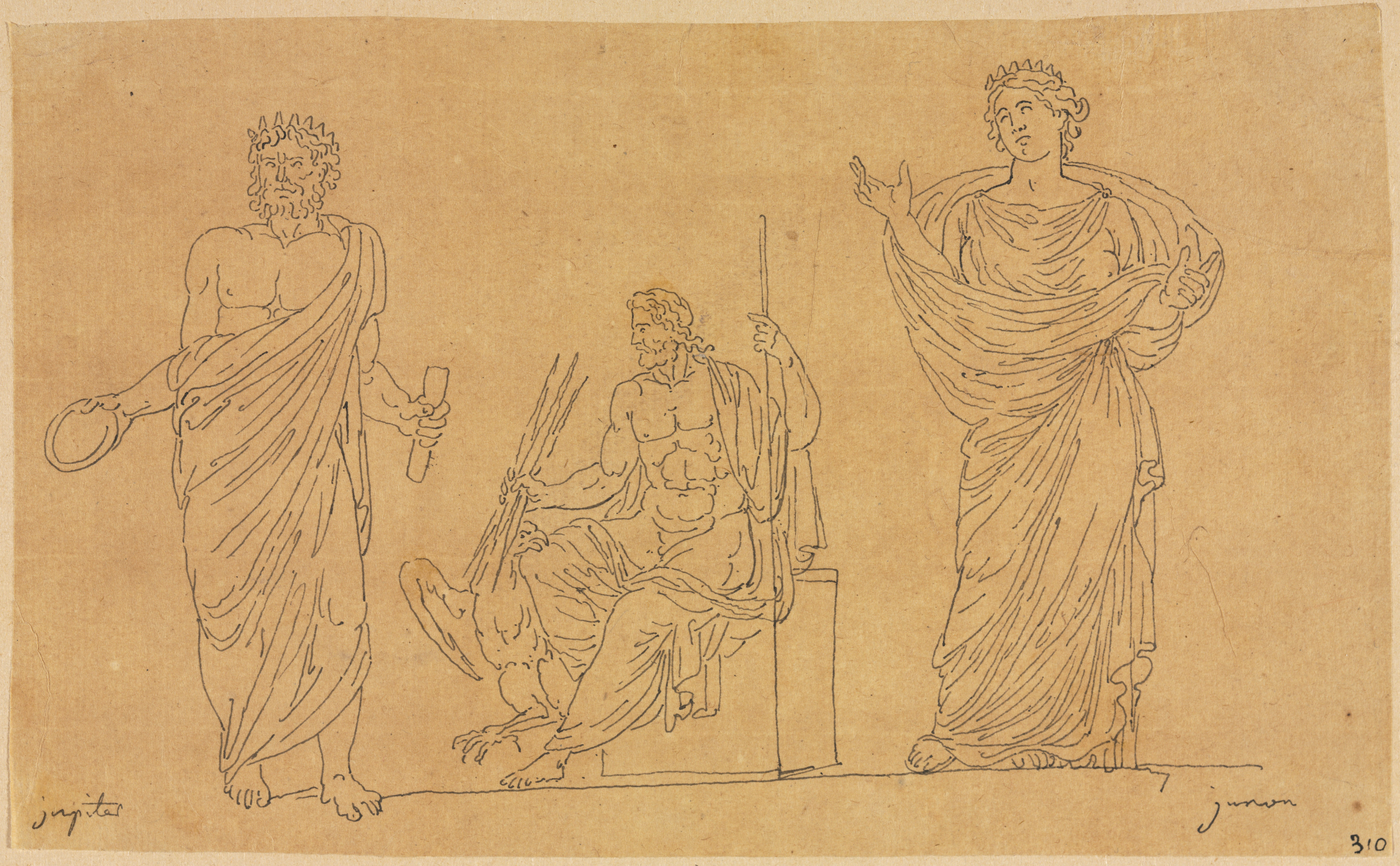
Gods and Goddess
Gods and Goddess
France, 18th-19th Century · fourth quarter 1700s or first quarter 1800s · pen and black ink
Madame François Buron
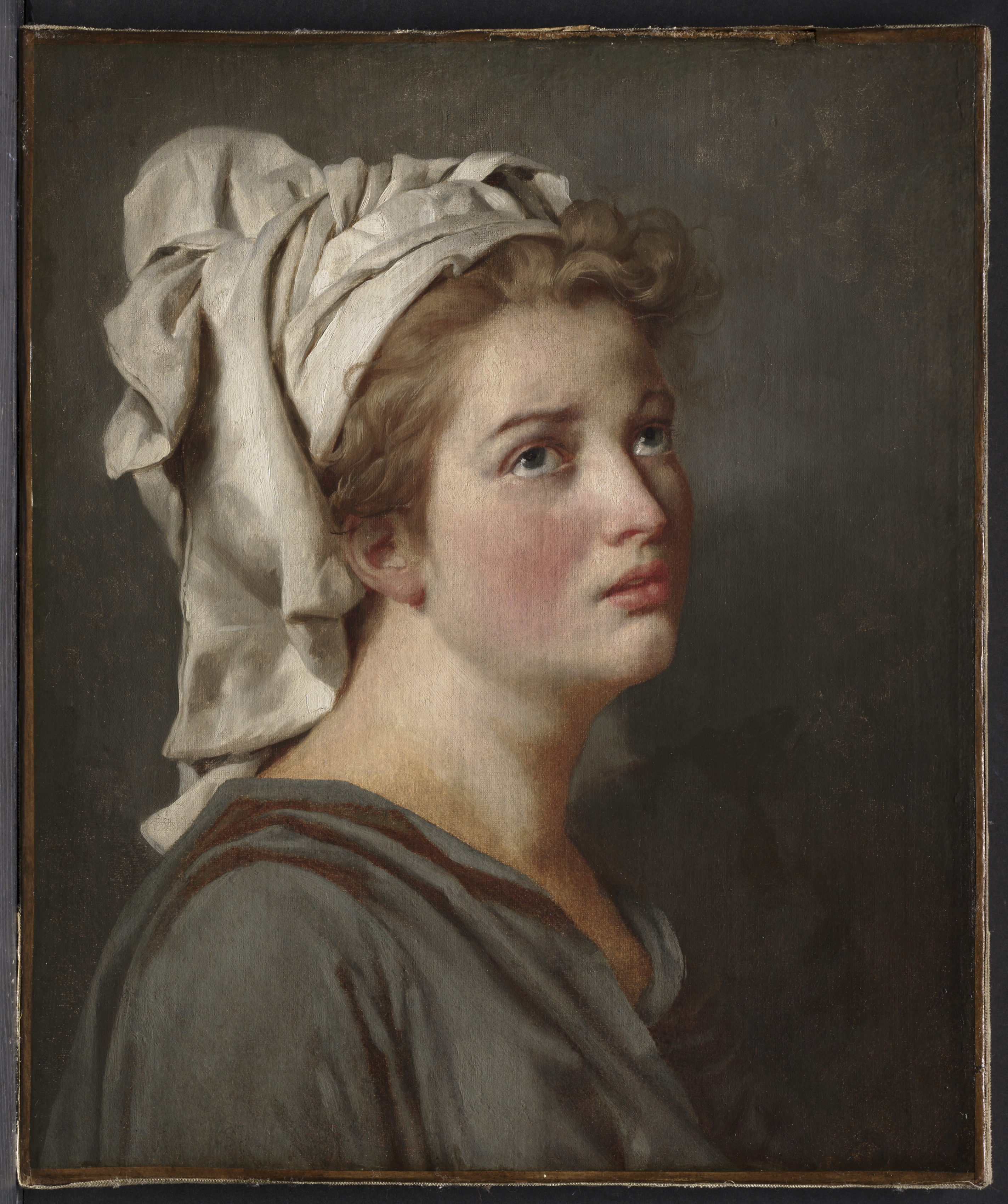
France · 18th Century · 1769 · Oil on canvas
Young Woman with a Turban
France, 18th century · c. 1780 · oil on canvas
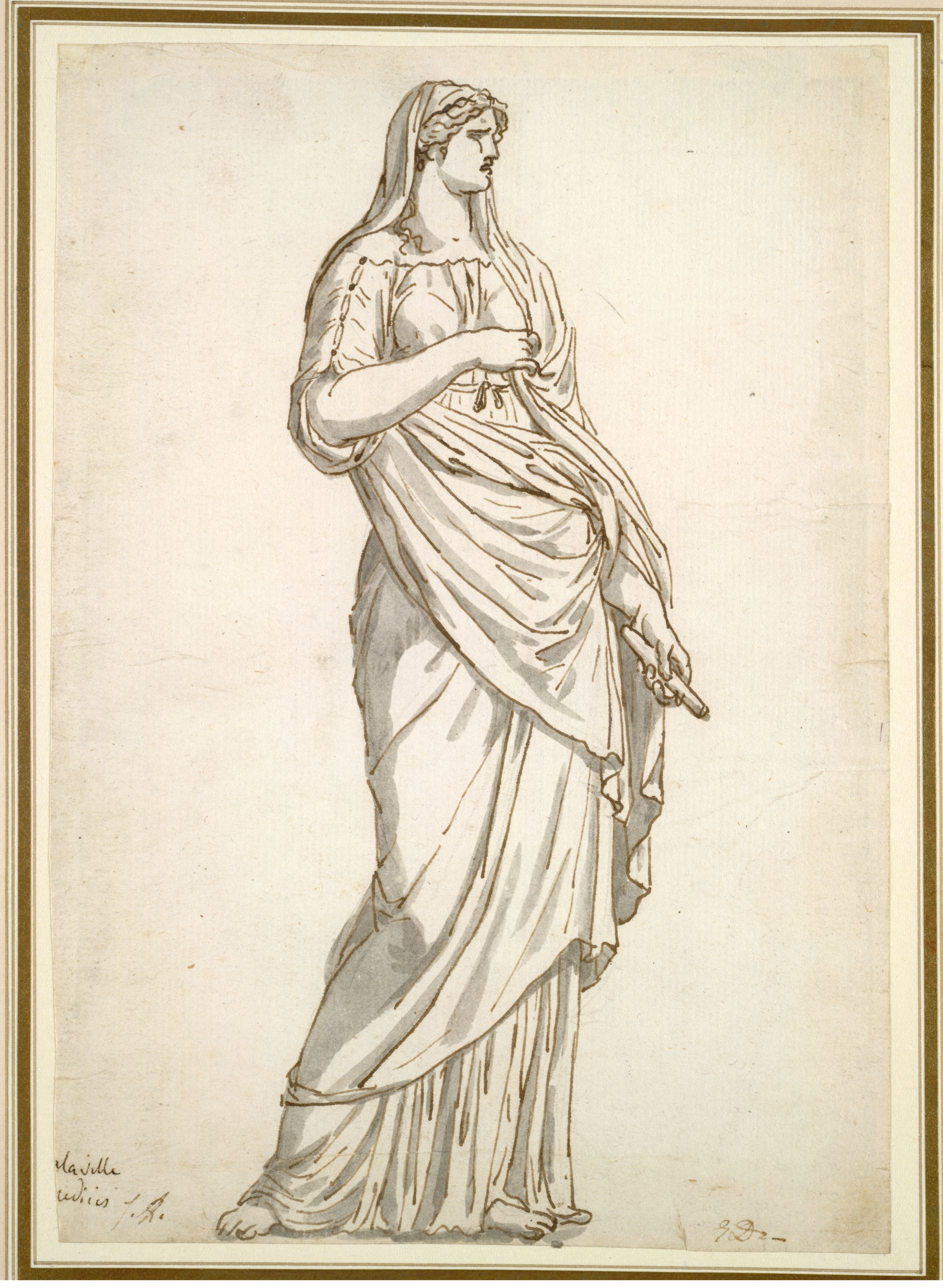
Study of the Sabine Statue from the Villa Medici
France, 18th century · c. 1775–1780 · pen and brown ink and brush and gray wash
The Departure of Marcus Attilius Regulus for Carthage
France · 1775–1786 · Pen and black ink and brush and black ink wash and opaque white watercolor with black chalk and touches of brown watercolor on blue laid paper
Oath of the Horatii
Oath of the Horatii
Jacques-Louis David · 1784 · Musée du Louvre
Three brothers swear on their father's swords to die for Rome while their women collapse in a curve of grief. Commissioned by Louis XVI and unveiled five years before the Revolution, the painting defined Neoclassical moral rigor for a generation.
The Death of Socrates
Jacques-Louis David · 1787 · Metropolitan Museum of Art
Socrates reaches for the hemlock while lecturing his grieving disciples on immortality, one finger stabbing heavenward. David painted it on the eve of the Revolution; Reynolds called it the greatest modern history painting.
Madame de Pastoret and Her Son
France · 18th Century · 1791–1792 · Oil on canvas
The Death of Marat
The Death of Marat
French Neoclassicism · 1793
Marat in his bathtub, stabbed by Charlotte Corday, pen still in hand. David painted him as a secular martyr — a revolutionary Pietà for a Republic that had killed its king.
Portrait of Jeanbon Saint-André
France · 1795 · Pen and black ink and brush and black ink with yellow ocher watercolor over graphite
Napoleon Crossing the Alps
Jacques-Louis David · 1801 · Château de Malmaison
David invented the cinematic pose — rearing horse, windswept cape, outstretched finger — that the actual crossing lacked. Napoleon, who had used a mule, told David to paint him 'calm on a fiery horse' and handed him five replicas to produce.
Bust of Caroline Bonaparte, Princess Murat, Queen of Naples
France · 1805–1815 · Charcoal on off-white laid paper
Study for
Study for "The Distribution of the Eagles"
France · 1805–1810 · Black chalk on ivory wove paper
Bust of a Man, Head Turned to Right
France · 1805–1815 · Black chalk
Study for Distribution of Eagles, Prince Eugène de Beauharnais
France · 1805–1815 · Pen and brown ink
Studies for Distribution of Eagles: The Archi-Chancelier, Cambacérés and the Archi-Trescrier, Lebrun
France · 1805–1815 · Black crayon
The Coronation of Napoleon
French Neoclassicism · 1805–1807 · Louvre, Paris
Nearly ten meters wide. Napoleon, having just placed the crown on his own head, is about to crown Joséphine. David inserted Napoleon's mother in the grandstand though she refused to attend.
Bust of Angelique Mongez
France · 1806 · Charcoal on off-white laid paper
Mounted Officer from the Back
France · 1810 · Black chalk on ivory laid paper
Sketch of Three Classical Figures
France · 1810 · Black chalk on ivory laid paper
Seated Man and Swaddled Baby
France · 1810 · Graphite on ivory wove paper
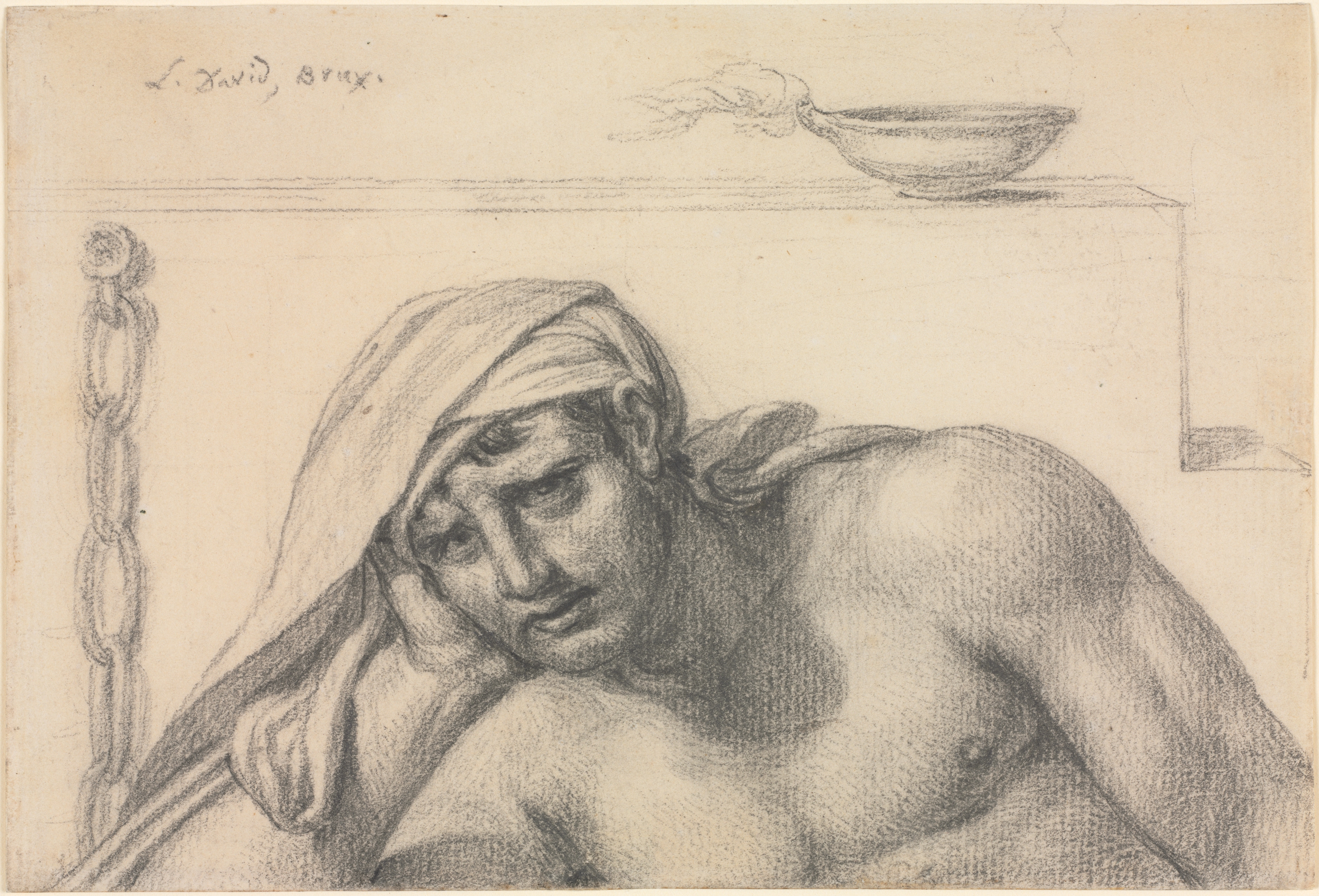
The Prisoner
The Prisoner
France, 19th century · c. 1816–22 · black chalk on cream laid paper
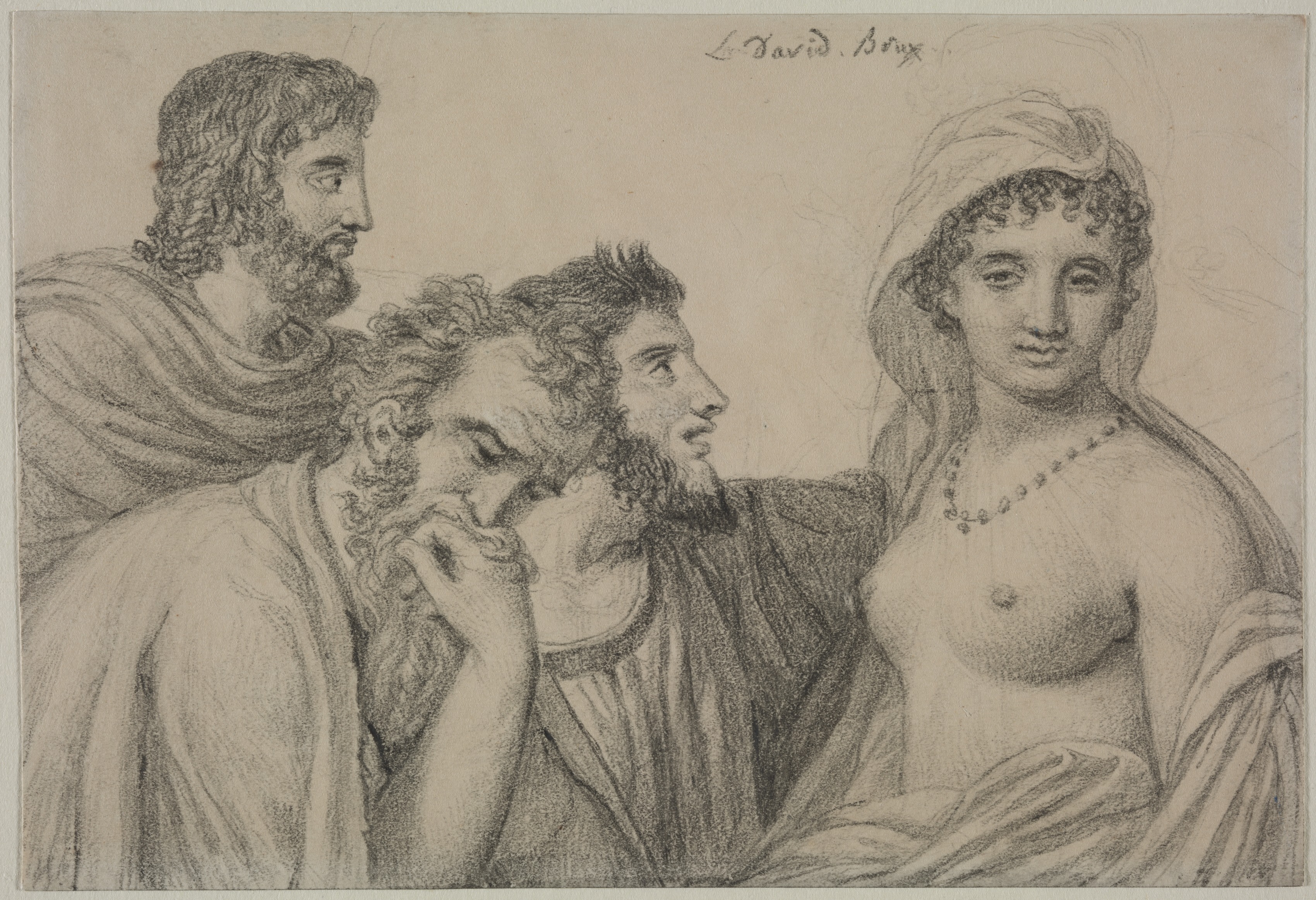
Phryne before Her Judges
France, 19th century · c. 1816–20 · black chalk on wove paper discolored to beige